
When most people think about "winning," they picture the medal, the hand raised, the victories. But that version of winning is limited. It's short-term, and it's outside of your control.
Pete Carroll, longtime NFL coach and author of Win Forever, has a different take: real winning is about becoming the best version of yourself in everything you do. It's not about beating someone else — it's about maximizing your own potential, getting a tiny bit better every day. When you define success this way, everything shifts. Suddenly, winning is something you can pursue every single day.
When kids grow up tying their self-worth to external outcomes — trophies, medals, being "the best" — their confidence starts to depend on things they can't fully control. And when those things don't go their way (which they won't, because life happens), it hits hard. They start doubting themselves. They feel like they're falling short. That kind of pressure can take a real toll on their mental health.
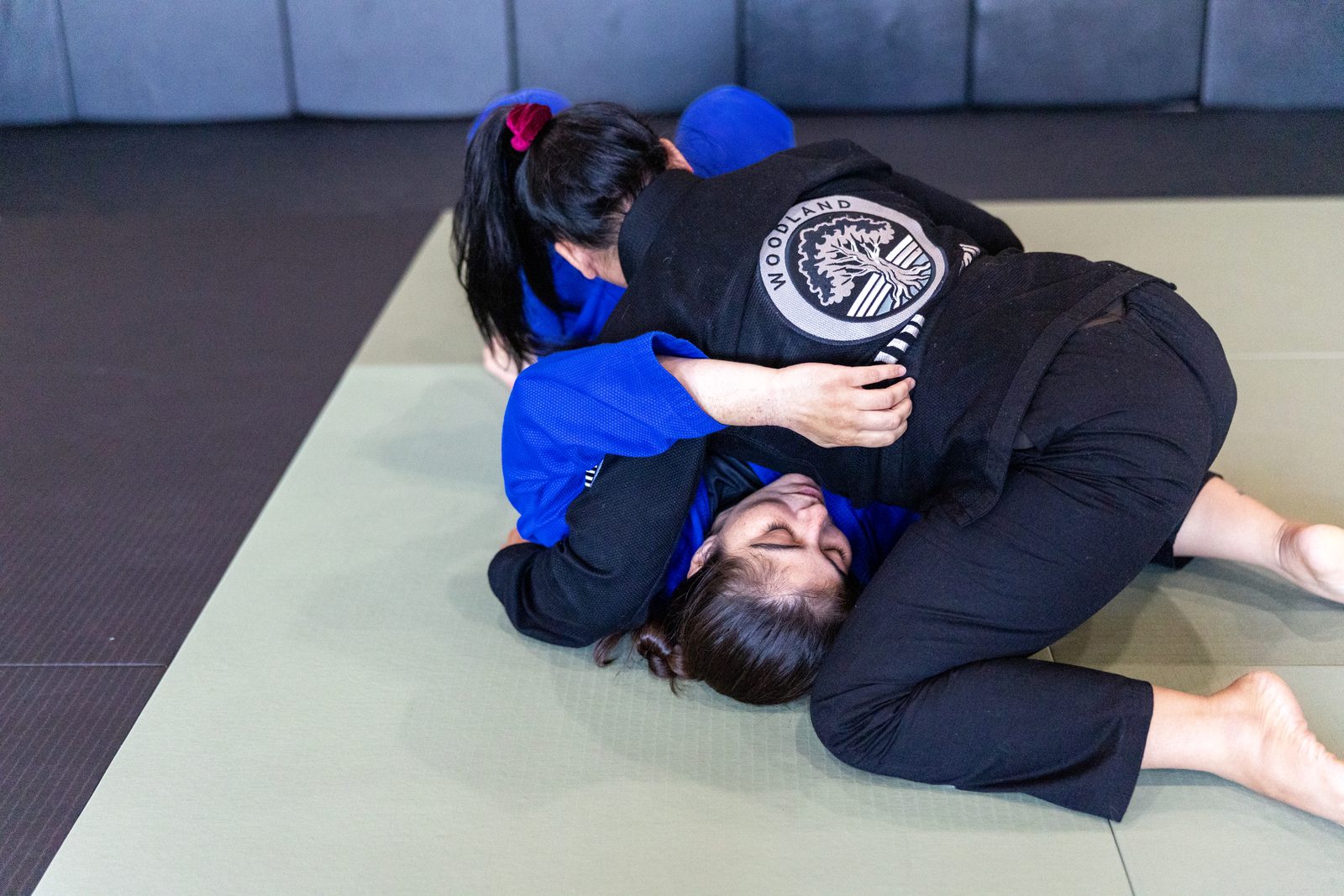
This is exactly why Jiu Jitsu is such a powerful sport for kids.
In Jiu Jitsu, kids are constantly tested — not just physically, but mentally and emotionally. They fail. They fall short. They get frustrated. But through that process, they learn to focus on what they can control: their effort, their focus, their attitude.
When kids show up with the mindset of "How can I grow today?" instead of "Did I win?" — something big starts to happen. Confidence builds. Not the kind that depends on medals, but the kind that comes from knowing you gave your all.
Carroll puts it perfectly:
If you want to win forever, always compete to be your best. That's the one thing you can always control — and it's what gives you real power and confidence.
That's the mindset Jiu Jitsu reinforces. And the role parents play in this process? It's huge. How we talk to our kids about success shapes how they view themselves. Instead of asking, "Did you win?" — try something like:
"I'm so impressed with how hard you worked out there today."
"You looked so focused during class. So awesome!"
"I'm so proud of how resilient you are. You always bounce right back after tapping, which is so inspiring."
These kinds of comments reinforce that winning isn't something that happens to you — it's something you build from the inside out.
Carroll also points out that when you define winning by effort, growth, and personal standards, you take back control. You're not waiting on someone else to mess up. You're not chasing outside validation. You're just working to be great — on your terms — every day.
That's what makes Jiu Jitsu such an incredible training ground for life. It's not about being perfect or always getting your hand raised. It's about developing the tools to thrive in any environment: discipline, self-control, resilience, and the ability to stay locked in on the process when the pressure's on.
And the best part? That mindset doesn't stay on the mat. It follows them into school, into friendships, into challenges, and into every part of their lives.
So yes, celebrate the wins. Cheer for the stripes and the medals. But maybe cheer even louder for the bounce-back. For the effort. For the kid who keeps showing up with purpose, no matter what.
That's how you win forever.